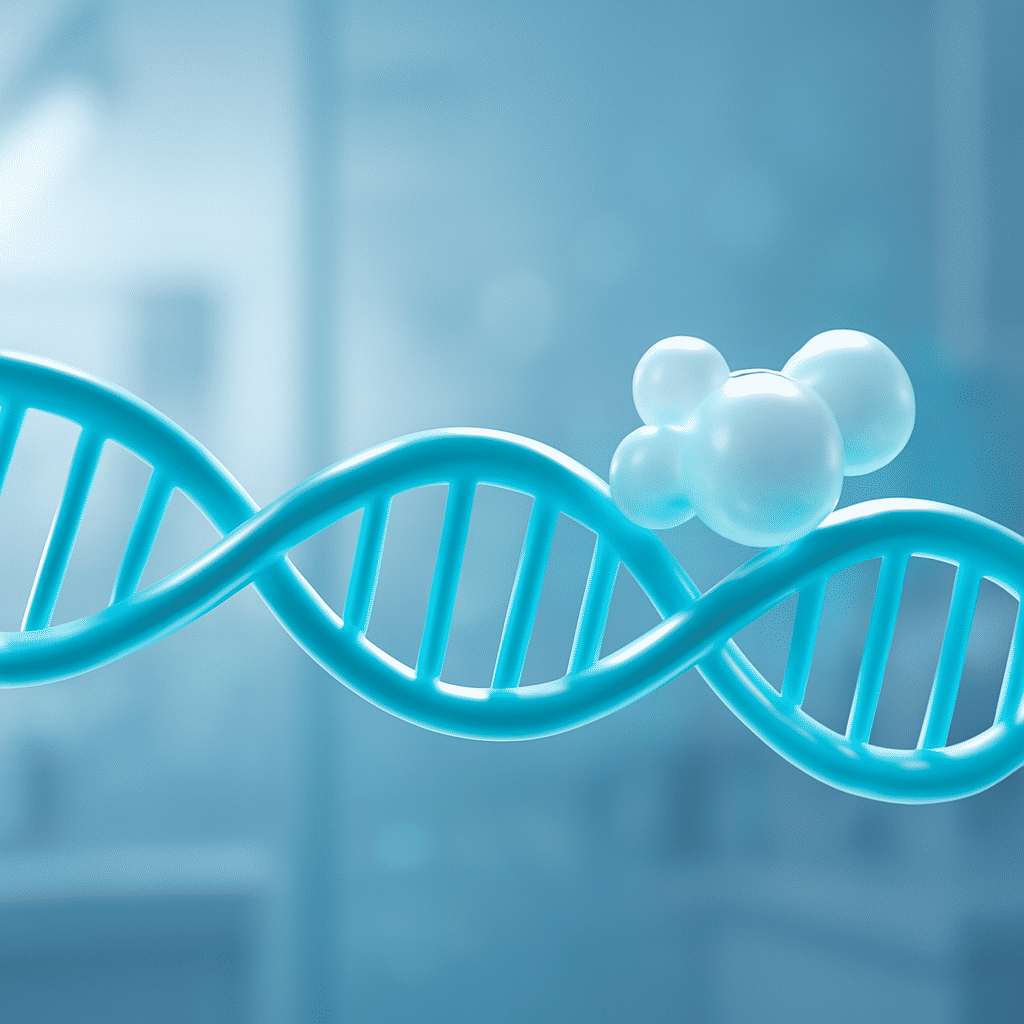
CRISPR technology, a groundbreaking tool in genetic research, has revolutionized the field of molecular biology and continues to open new horizons in science and medicine. Named for its ability to provide precise cuts in the DNA at specified spots, CRISPR, which stands for Clustered Regularly Interspaced Short Palindromic Repeats, has rapidly advanced genetic engineering, therapeutic development, and crop production, significantly impacting human health and agriculture.
At the heart of CRISPR technology lies the CRISPR-Cas9 system, a type of adaptive immune system used by bacteria to fend off viruses. Scientists harnessed this mechanism to target specific genes within organisms, enabling precise modifications to the genetic code. This technology functions as a pair of molecular scissors: once programmed with a guide RNA that matches the target DNA sequence, the Cas9 enzyme locates and cuts the sequence, allowing for the addition, removal, or alteration of genetic material.
One of the most transformative applications of CRISPR is its use in gene therapy. By correcting genetic defects at their source, CRISPR holds the promise of curing genetic disorders such as cystic fibrosis, muscular dystrophy, and certain forms of hereditary blindness. The technology is also being explored as a potential treatment for cancer, where it can be used to edit immune cells to more effectively target and destroy malignant cells.
Beyond human medicine, CRISPR technology is reshaping agriculture. Genetically edited crops can be made more resistant to pests, diseases, and extreme weather conditions, thus ensuring food security in a changing climate. The technology allows for more precise modifications than traditional genetic engineering methods, reducing unintended consequences and speeding up the development of improved plant varieties.
Despite its potential, the rapid advancement of CRISPR technology has sparked considerable ethical debate. One major concern surrounds the potential for "designer babies," where genetic editing could be used to enhance human traits or abilities, raising questions about equity, consent, and the societal impact of such capabilities. The possibility of off-target effects, where edits occur outside the intended location, poses another risk, necessitating rigorous research and control to ensure safety.
Furthermore, there is significant debate over germline editing — changes that would be passed on to future generations. Traditional bioethics stresses the importance of caution in altering human DNA, emphasizing the need for comprehensive understanding and consensus before proceeding with alterations that have long-lasting implications.
To address these challenges, scientists and policymakers emphasize the need for robust ethical frameworks, oversight, and international collaboration. Discussions focus on establishing clear regulations and safety standards to govern the application of CRISPR technology while fostering public engagement to address the diverse perspectives and concerns.
In conclusion, CRISPR technology is a powerful tool that holds incredible potential for innovation across multiple fields. Its ability to edit genes with unprecedented precision offers immense benefits in medicine, agriculture, and beyond. However, as we stand on the brink of a new era of genetic manipulation, it is crucial to navigate these opportunities responsibly, balancing scientific progress with ethical considerations to ensure technology serves humanity's best interests.